
Description
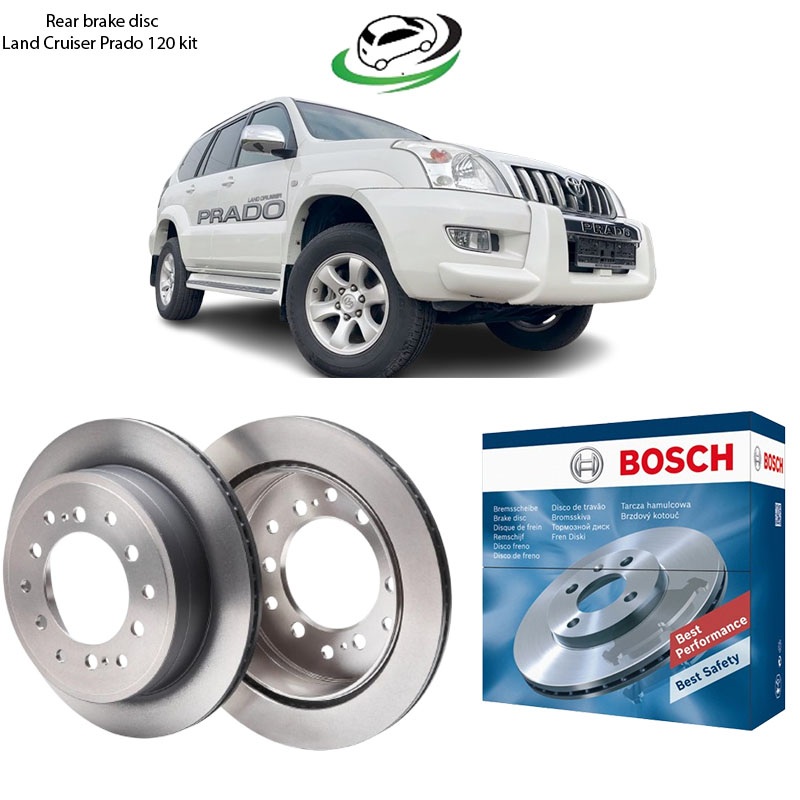
Get Toyota Landcruiser Prado 120 Series Rear Brake Disc 42431-60200 in Kenya
The rear brake disc, also known as a rear brake rotor, is a crucial component of a vehicle’s braking system. It plays an essential role in ensuring safety, stability, and stopping performance. Designed to work in conjunction with the brake pads and calipers, the rear brake disc transforms kinetic energy generated by the moving vehicle into heat energy through friction, thereby slowing down or completely stopping the vehicle.
1. Function and Working Principle
When a driver presses the brake pedal, hydraulic pressure from the master cylinder is transmitted through brake lines to the calipers. The calipers then squeeze the brake pads against the spinning rear brake discs attached to the wheel hub. This frictional contact between the pads and the disc slows down the rotation of the wheel, converting motion energy into heat.
While front brakes handle the majority of braking force, typically about 60–70%, the rear brake discs play a vital supporting role. They help maintain vehicle balance during deceleration, prevent rear-end lift, and ensure smooth, controlled stopping. The rear discs are also key in stability control and electronic braking systems, working in coordination with ABS (Anti-lock Braking System) and EBD (Electronic Brakeforce Distribution) to prevent skidding and uneven wear.
2. Structure and Components
A typical rear brake disc is a circular metal plate attached directly to the wheel hub. It rotates at the same speed as the wheel. The main structural components and characteristics include:
-
Disc Face: The flat surfaces on both sides where the brake pads make contact. They must be precisely machined to ensure even friction and wear.
-
Ventilation Channels: Many modern discs are ventilated, meaning they have internal vanes or passages that allow air circulation. This helps dissipate heat quickly, reducing the risk of overheating or brake fade.
-
Hub Mounting Area: The central portion that connects the disc to the wheel hub using bolts or studs. This section is engineered for strength and precision alignment.
-
Cooling Slots and Drilled Holes (in Performance Discs): Some discs feature drilled holes or machined slots designed to improve cooling, reduce gas buildup, and enhance braking performance under demanding conditions.
3. Materials Used
Rear brake discs are typically made from cast iron, due to its excellent heat resistance, stability, and wear properties. However, other materials are also used depending on performance requirements:
-
Cast Iron: The most common and economical material. It offers good friction and heat-handling capacity.
-
Carbon-ceramic composites: Found in high-performance and luxury vehicles. These are lighter, more durable, and resistant to high temperatures but come at a higher cost.
-
Steel alloys: Sometimes used in lightweight applications or special-purpose vehicles where reduced weight and improved corrosion resistance are priorities.
Each material type offers a different balance of performance, cost, and durability. For everyday driving, cast iron provides a reliable and cost-effective option, while advanced materials are reserved for specialized applications.
4. Types of Rear Brake Discs
Depending on design and usage, rear brake discs can be categorized into several types:
-
Solid Discs:
These are simple, flat discs without internal ventilation. They are common in smaller cars or vehicles where the rear brakes do not experience excessive heat. They are cost-effective and durable for normal driving conditions. -
Vented Discs:
These have internal cooling channels between two friction surfaces, allowing air to flow through and reduce heat buildup. Vented discs are preferred for heavier vehicles or those used in performance conditions. -
Slotted Discs:
Feature shallow grooves on the surface that help remove debris, water, and gases produced during braking. This improves braking consistency and pad contact. -
Drilled Discs:
Have small holes across the disc surface to promote cooling and water dispersion. They are ideal for high-performance or sporty driving but can be more prone to cracking under extreme heat stress. -
Composite Discs:
Combine a lightweight aluminum hub with a cast-iron or carbon-ceramic rotor ring. They reduce unsprung weight and improve braking efficiency.
5. Importance of the Rear Brake Disc
Although the rear brake discs handle less braking force than the front ones, their contribution to overall vehicle control is vital. Their importance can be summarized as follows:
-
Vehicle Stability: They balance braking power between the front and rear axles, maintaining stability during deceleration.
-
Prevention of Skidding: Modern systems rely on the rear discs to manage traction and avoid wheel lock-up.
-
Even Brake Pad Wear: Properly functioning discs ensure that pads wear evenly, prolonging their lifespan.
-
Heat Dissipation: High-quality discs efficiently manage heat, preventing brake fade during continuous or heavy braking.
-
Enhanced Safety: Reliable braking performance from all wheels reduces stopping distance and prevents accidents.
6. Signs of Worn or Damaged Rear Brake Discs
Over time, brake discs are subjected to wear and tear due to friction, heat, and environmental exposure. Recognizing the signs of wear is important for timely replacement and continued safety. Common symptoms include:
-
Vibration or Pulsation: Felt through the brake pedal when braking, often caused by disc warping.
-
Grinding or Squealing Noise: Indicates that the disc surface may be uneven or excessively worn.
-
Reduced Braking Efficiency: Longer stopping distances or softer pedal feel may result from thin or damaged discs.
-
Visible Scoring or Cracks: Deep grooves, rust patches, or surface cracks on the disc surface are signs of deterioration.
-
Blue or Discolored Surface: A sign of overheating due to excessive braking force or poor ventilation.
7. Maintenance and Replacement
Proper maintenance of rear brake discs ensures longevity and consistent performance. Routine inspection during service intervals is crucial. Here are key maintenance guidelines:
-
Regular Inspection: Check for thickness, surface condition, and any signs of warping or corrosion.
-
Brake Pad Replacement: Always replace brake pads before they are completely worn out to avoid metal-to-metal contact with the disc.
-
Cleaning: Keep the discs clean from dust, rust, and oil to ensure optimal friction.
-
Resurfacing: In some cases, minor disc imperfections can be corrected by machining or resurfacing. However, this should only be done if the disc thickness remains above the manufacturer’s minimum limit.
-
Replacement: Replace discs in pairs (both rear wheels) to maintain balanced braking performance.
8. Factors Affecting Brake Disc Performance
Several factors can influence how efficiently rear brake discs perform:
-
Driving Style: Aggressive driving and frequent hard braking accelerate wear.
-
Vehicle Load: Heavier loads increase braking demand, generating more heat.
-
Environment: Moisture, salt, and dust can cause corrosion or uneven wear.
-
Brake Pad Quality: Using low-grade pads can lead to excessive disc wear or glazing.
-
Improper Installation: Incorrect alignment or torque during installation may lead to disc warping or imbalance.
9. Technological Advancements
Modern braking systems continue to evolve with innovations designed to improve disc performance, such as:
-
Coated Brake Discs: Surface coatings resist rust and corrosion, extending disc life.
-
Floating Discs: Allow a degree of movement between the rotor and hub, reducing stress and improving heat expansion control.
-
Lightweight Alloys: Enhance vehicle efficiency by reducing overall unsprung mass.
-
Integration with Electronic Systems: Advanced braking technologies like ABS, ESC, and regenerative braking systems rely heavily on precise disc performance.
Follow us on Facebook for more parts.

 Account
 Categories
 Car filter
 Search
 Top
Top