
Description
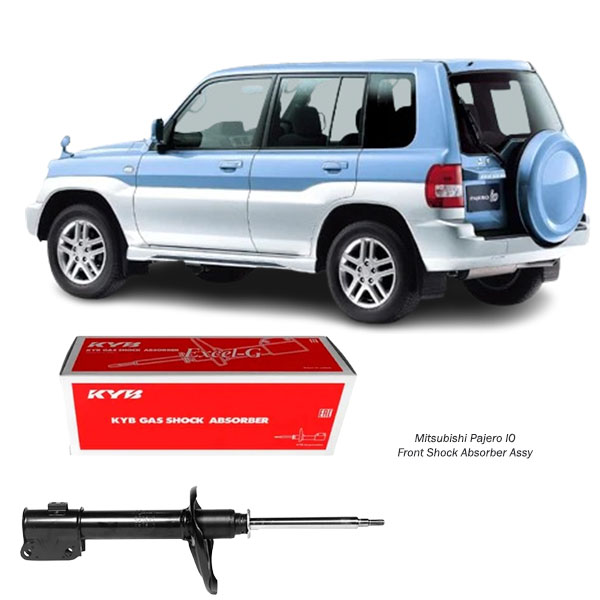
Get Mitsubishi Pajero I0 Front Shock Absorber Assy 334405 in Kenya
Your vehicle’s suspension system plays a crucial role in ensuring a smooth and comfortable ride. One of the most important components of this system is the shock absorber (also known as a damper).
Shock absorbers are responsible for controlling the movement of your car’s suspension and reducing the impact of road irregularities. Without properly functioning shocks, your car would bounce uncontrollably, making it difficult to handle and dangerous to drive.
In this comprehensive guide, we’ll cover everything about the Front Shock Absorber Assembly, including its function, types, signs of failure, replacement process, costs, and maintenance tips.
What is a Front Shock Absorber Assembly? 🏎️🔩
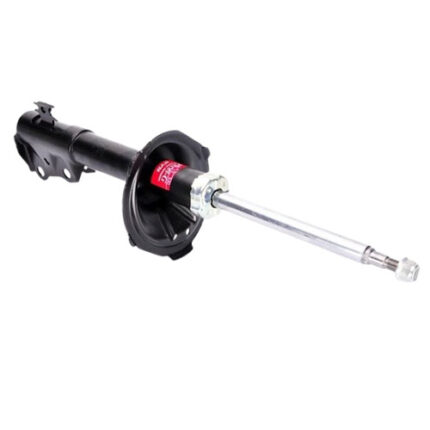
A Front Shock Absorber Assembly consists of several interconnected components that work together to absorb shocks from the road. It includes:
✅ Shock Absorber (Damper): The main component that controls suspension movement and absorbs shocks.
✅ Coil Spring (if part of strut assembly): Supports vehicle weight and absorbs impacts.
✅ Mounting Hardware: Includes bushings, washers, and bolts to secure the shock absorber.
✅ Upper Strut Mount (if applicable): Helps connect the shock absorber to the vehicle’s chassis.
The front shocks are particularly important because they affect the vehicle’s steering, braking stability, and overall handling.
How Do Front Shock Absorbers Work? ⚙️🔄
When you drive over a bump, the suspension compresses. Without shock absorbers, the vehicle would continue bouncing.
The shock absorber controls this motion through hydraulic damping, where:
1️⃣ A piston moves through hydraulic fluid, creating resistance.
2️⃣ The resistance slows down the suspension movement, preventing excessive bouncing.
3️⃣ The vehicle stabilizes quickly, ensuring a smooth and controlled ride.
Without effective shock absorbers, your car would become unstable, uncomfortable, and difficult to steer.
Types of Front Shock Absorbers 🚙🛠️
Shock absorbers come in different types, each offering specific benefits:
1️⃣ Twin-Tube Shock Absorbers
✔️ Most common type
✔️ Affordable and reliable
✔️ Provides a comfortable ride
❌ Can overheat under extreme use
2️⃣ Monotube Shock Absorbers
✔️ Better heat dissipation
✔️ More responsive damping
✔️ Ideal for high-performance vehicles
❌ More expensive
3️⃣ Gas-Charged Shock Absorbers
✔️ Uses gas (usually nitrogen) to reduce foaming in hydraulic fluid
✔️ Prevents loss of performance over rough terrain
✔️ Ideal for off-road vehicles and trucks
❌ Slightly stiffer ride
4️⃣ Coilover Shock Absorbers
✔️ Integrated coil spring for better suspension control
✔️ Adjustable ride height and stiffness
✔️ Used in sports and off-road vehicles
❌ More complex and costly
5️⃣ Adaptive & Electronic Shock Absorbers
✔️ Adjusts damping in real-time based on road conditions
✔️ Used in luxury and high-performance vehicles
❌ Expensive and requires electronic control systems
Signs of a Failing Front Shock Absorber Assembly ⚠️🚨
Over time, shock absorbers wear out due to constant use. Here are common signs that your front shock absorbers need replacement:
1️⃣ Excessive Bouncing & Rough Ride 🚗💨
-
If your car bounces excessively after hitting a bump, the shocks are worn out.
2️⃣ Nose-Diving When Braking 🚦
-
If the front end dips forward when braking, your shock absorbers may be failing.
3️⃣ Steering Instability & Vibrations 🔄
-
A bad shock absorber can cause steering wobble and instability, making the car harder to control.
4️⃣ Uneven Tire Wear 🛞
-
Worn shocks can cause uneven tire contact with the road, leading to patchy tread wear.
5️⃣ Fluid Leaks on the Shock Absorbers 💦
-
If you notice oil leaks on the shock body, the internal seals may be damaged.
6️⃣ Knocking or Clunking Noises 🔊
-
Loose or broken shock absorber mounts can cause clunking sounds when driving over bumps.
Ignoring these warning signs can reduce braking efficiency, cause tire damage, and make driving unsafe.
How to Replace a Front Shock Absorber Assembly 🛠️🔧
If your shock absorbers are worn out, it’s important to replace them as soon as possible.
Tools Needed 🛠️
✔️ Jack & Jack Stands
✔️ Lug Wrench
✔️ Socket Wrench Set
✔️ Torque Wrench
✔️ Spring Compressor (for strut assemblies)
✔️ Penetrating Oil
Step-by-Step Guide
1️⃣ Lift the Vehicle & Remove the Wheel
-
Park the car on a flat surface and secure it with jack stands.
-
Use a lug wrench to remove the front wheel.
2️⃣ Remove the Old Shock Absorber
-
Locate the shock mounting bolts and spray penetrating oil if they’re rusted.
-
Use a socket wrench to loosen and remove the top and bottom bolts.
-
Carefully pull out the old shock absorber.
3️⃣ Install the New Shock Absorber
-
Align the new shock absorber with the mounting points.
-
Secure it with new bolts (if provided) and tighten them to the recommended torque.
4️⃣ Reinstall the Wheel & Lower the Car
-
Put the wheel back on and tighten the lug nuts.
-
Lower the car and torque the lug nuts properly.
5️⃣ Test the Suspension
-
Take the car for a short test drive to check for smooth handling and braking stability.
Cost of Replacing a Front Shock Absorber Assembly 💰
The cost of front shock absorber replacement depends on the vehicle type, shock absorber brand, and labor charges.
DIY Replacement Cost
-
Front Shock Absorber Kit: $50 – $300 (per shock)
-
Tools & Accessories: $20 – $50
-
Total DIY Cost: $70 – $350
Professional Replacement Cost
-
Parts & Labor: $200 – $800 (per shock)
-
Luxury Vehicles: $1,000+ for electronic or adaptive shocks
How to Extend the Life of Your Front Shock Absorbers 🏁🚙
✔️ Avoid Potholes & Rough Roads – Large impacts can damage shocks and suspension components.
✔️ Inspect Shocks Regularly – Check for leaks, rust, and loose bolts.
✔️ Rotate Tires & Align Wheels – Prevents uneven stress on suspension parts.
✔️ Replace in Pairs – Always replace both left and right shocks together for balanced handling.
Final Thoughts 🎯🚗
A Front Shock Absorber Assembly is essential for ensuring a smooth, stable, and safe ride. Worn-out shock absorbers can lead to poor braking, uneven tire wear, and reduced steering control.
If you notice signs of bouncing, nose-diving, or steering instability, it’s time to replace your front shocks. Whether you choose OEM, aftermarket, or high-performance shocks, always prioritize quality and proper installation.
Follow us on Facebook for more parts.
 Account
 Categories
 Car filter
 Search
 Top
Top