


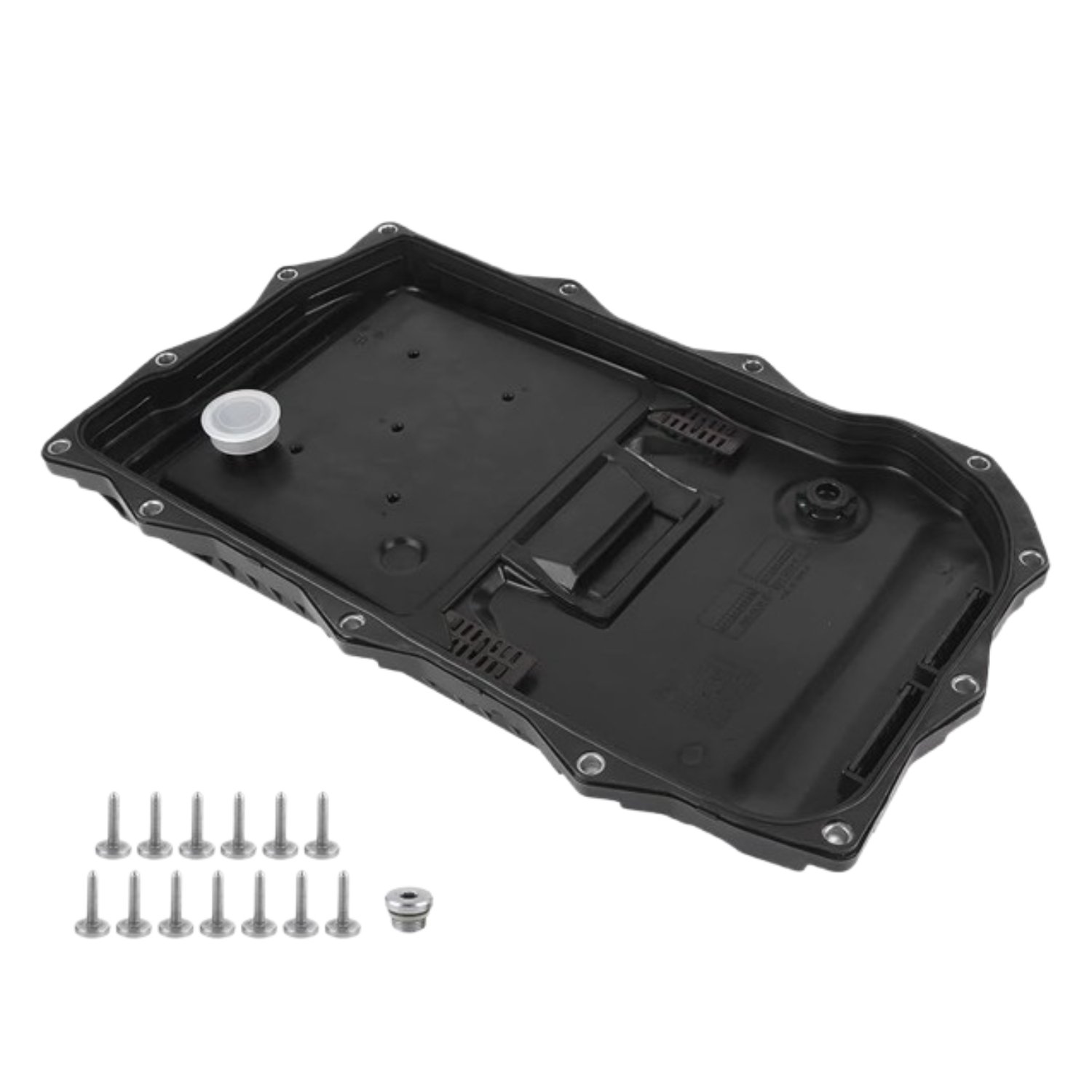

Get BMW F10 Automatic Transmission Oil Sump 24117613253 in Kenya
The Automatic Transmission Oil Sump is a vital component within an automatic transmission system, designed to store, manage, and protect the transmission fluid that keeps the gearbox operating smoothly. Often overlooked, this component plays a critical role in lubrication, cooling, and hydraulic control. By providing a secure reservoir for transmission fluid and supporting proper fluid circulation, the oil sump helps ensure reliable shifting, reduced wear, and long-term transmission performance.
Automatic transmissions rely heavily on clean, correctly pressurized fluid to function efficiently. The oil sump serves as the collection point for this fluid, making it an essential part of the transmission’s internal ecosystem. Without a properly functioning sump, fluid starvation, overheating, and contamination can quickly compromise transmission operation.
Purpose and Function
The primary function of the automatic transmission oil sump is to hold an adequate supply of transmission fluid. As the transmission operates, fluid circulates through the torque converter, valve body, clutch packs, and cooling system before returning to the sump. This continuous cycle ensures that internal components remain lubricated, cooled, and hydraulically controlled.
The sump also allows fluid to settle, giving contaminants time to separate and collect at the bottom, where they can be captured by the transmission filter. By maintaining a stable fluid supply, the oil sump supports consistent hydraulic pressure, which is essential for smooth and precise gear changes.
Role in Transmission Cooling
Transmission fluid absorbs heat generated by friction within the gearbox. Once heated, the fluid returns to the oil sump, where heat is partially dissipated before the fluid is recirculated. This cooling process helps regulate transmission temperature and prevents overheating, which can degrade fluid quality and damage internal components.
A well-designed oil sump promotes efficient heat dissipation by providing adequate surface area and fluid capacity. Maintaining optimal fluid temperature improves transmission efficiency and extends the service life of seals, clutches, and internal moving parts.
Construction and Materials
Automatic transmission oil sumps are typically constructed from durable materials designed to withstand heat, vibration, and constant exposure to transmission fluid. Common materials include stamped steel for strength and durability or aluminum alloys for improved heat dissipation and reduced weight.
The sump is engineered to fit securely against the transmission casing, using a gasket or sealant to create a leak-proof connection. Its internal design often includes channels or contours that help guide fluid flow and prevent aeration, ensuring that the transmission pump draws in a steady supply of fluid.
Integration with Filtration System
The oil sump works closely with the transmission filter, which is usually mounted inside the sump. As fluid returns to the sump, the filter removes debris, metal particles, and clutch material that accumulate during normal transmission operation. Clean fluid is then drawn back into the system by the transmission pump.
This integration is essential for maintaining fluid cleanliness and protecting sensitive components such as solenoids and valve bodies. A clean sump environment helps reduce wear and ensures consistent hydraulic performance.
Contribution to Smooth Gear Shifts
Smooth gear shifting depends on precise hydraulic pressure and clean fluid. The oil sump supports this by ensuring an uninterrupted supply of transmission fluid to the pump. If fluid levels drop too low or if the sump becomes damaged, the transmission may experience delayed engagement, harsh shifts, or slipping.
By maintaining proper fluid volume and stability, the oil sump helps the transmission respond accurately to driver inputs, delivering seamless gear changes and improved driving comfort.
Signs of Wear or Damage
Over time, the automatic transmission oil sump may develop issues such as leaks, corrosion, or physical damage from road debris. Common warning signs include visible fluid leaks under the vehicle, low transmission fluid levels, unusual shifting behavior, or overheating warnings.
A damaged sump can allow fluid to escape or air to enter the system, disrupting fluid circulation. Addressing sump-related issues promptly helps prevent further damage to the transmission and avoids costly repairs.
Maintenance and Service Importance
The oil sump plays a central role during transmission servicing. Fluid changes typically involve draining old fluid from the sump, cleaning the sump interior, replacing the filter, and installing a new gasket before refilling with fresh fluid. This process removes accumulated contaminants and restores fluid quality.
Regular maintenance helps ensure the sump remains clean and free from debris that could compromise transmission performance. Proper servicing also allows inspection for metal particles or excessive debris, which can indicate internal wear.
Durability and Long-Term Reliability
A high-quality automatic transmission oil sump is designed for long-term durability under demanding conditions. Its materials and construction allow it to withstand temperature fluctuations, vibration, and continuous fluid exposure without warping or cracking.
By maintaining structural integrity and a secure seal, the sump supports long-term transmission reliability. Proper care and timely replacement of worn gaskets or damaged sumps help extend the lifespan of the entire transmission system.
Safety and Operational Stability
Transmission reliability is essential for safe vehicle operation. A compromised oil sump can lead to sudden fluid loss, resulting in loss of drive or unpredictable shifting. Ensuring the sump is intact and properly sealed contributes to stable transmission behavior and overall driving safety.
Value and Practical Benefits
The automatic transmission oil sump offers significant value by supporting fluid management, cooling, and filtration in one component. Its role in maintaining clean, properly pressurized fluid helps prevent premature transmission failure and reduces long-term maintenance costs.
Follow us on Facebook for more parts

Reviews
Clear filtersThere are no reviews yet.