

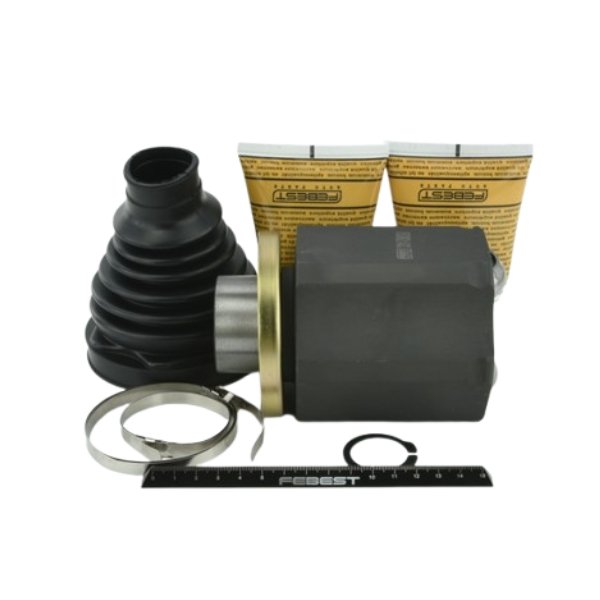

Get AUDI A3 8VA Inner CV Joint Right 2311-TATRH in Kenya
The Inner CV Joint Right, also known as the Inner Constant Velocity Joint (RH), is an essential component of a vehicle’s drivetrain system. It plays a crucial role in transmitting engine power from the transmission to the wheels while allowing flexibility in motion. Despite being hidden within the drivetrain assembly, it is one of the most important parts responsible for ensuring smooth and efficient power delivery, especially during turns, suspension movement, and changes in driving conditions.
1. Understanding the Role of the Inner CV Joint Right
To understand the importance of the Inner CV Joint Right, it helps to first look at how the drivetrain works. In front-wheel-drive (FWD), all-wheel-drive (AWD), and some four-wheel-drive (4WD) vehicles, the engine’s power must be transferred to the wheels through drive shafts. These shafts need to accommodate both rotational movement and up-and-down motion from the suspension.
The Constant Velocity (CV) Joint allows the drive shaft to transmit power at a constant rotational speed without fluctuations or binding, even when the wheels are turning or the suspension is moving.
The Inner CV Joint, located at the transmission end of the drive shaft, connects the shaft to the gearbox or differential. Its primary roles are:
-
Power Transmission: It ensures efficient delivery of torque from the transmission to the wheel, maintaining smooth rotation under various conditions.
-
Axial Movement: It allows the drive shaft to extend or compress slightly as the suspension moves up and down.
-
Smooth Articulation: It provides flexibility for the shaft to move at an angle, preventing strain on the drivetrain.
Specifically, the Right-Hand (RH) Inner CV Joint serves the right side of the drivetrain, balancing with the left-hand joint to maintain equal power distribution and vehicle stability.
2. Construction and Components
The Inner CV Joint Right is a highly engineered component made up of several key parts designed to work together seamlessly under constant stress and movement.
a) Outer Housing:
The outer shell is typically made of hardened steel, shaped to house the internal components. It must withstand high torque, impacts, and constant rotational forces.
b) Inner Race (Hub):
This is the core section that fits onto the axle shaft splines. It rotates with the drive shaft and transfers torque through the ball bearings to the outer housing.
c) Ball Bearings:
The CV joint contains six hardened steel balls that roll within matching grooves in both the inner and outer races. These allow the joint to rotate at variable angles while maintaining a consistent velocity.
d) Cage:
A steel or alloy cage holds the balls in place and ensures they move within their grooves evenly, maintaining balance and alignment during operation.
e) Boot (Rubber Cover):
The outer boot seals the joint, protecting it from dirt, dust, and moisture while retaining lubricating grease inside.
f) Grease:
Special high-temperature CV joint grease is packed inside to minimize friction, prevent wear, and ensure smooth operation even under high loads.
3. How It Works
When the vehicle is in motion, the Inner CV Joint Right transmits torque from the transmission to the right-hand drive shaft. As the suspension moves—such as when the car passes over bumps—the inner joint allows the shaft to move in and out slightly.
At the same time, it maintains a steady rotational speed regardless of the angle between the transmission and the wheel. This flexibility prevents jerking or vibration that could occur if the shaft were rigid.
For instance:
-
When you accelerate, the engine and transmission shift slightly due to torque. The CV joint adjusts smoothly to this movement.
-
When driving over uneven terrain, the suspension compresses and extends. The inner CV joint compensates for the change in distance between the gearbox and wheel hub.
This combination of motion and strength ensures that power is transferred efficiently and comfortably, maintaining stable handling and control.
4. Types of Inner CV Joints
There are two common designs used in modern vehicles:
-
Tripod-Type Joint (Tripode Joint):
This type features a three-pointed tripod inner race that fits into needle bearings inside the outer housing. It allows excellent axial movement and is common in front-wheel-drive cars. -
Rzeppa-Type Joint:
This design uses six ball bearings for smoother articulation and is typically used in performance vehicles or those requiring greater flexibility.
The Right Inner CV Joint may vary in design depending on the vehicle’s drivetrain setup, but both types serve the same fundamental function—ensuring seamless power delivery with flexibility.
5. Signs of a Failing Inner CV Joint Right
Over time, constant movement, friction, and exposure to road conditions cause wear and tear. Recognizing early signs of failure can prevent costly drivetrain damage.
Common symptoms include:
-
Vibrations During Acceleration: A worn inner CV joint can cause noticeable shaking or vibration under acceleration, especially on the right-hand side.
-
Clunking or Knocking Sounds: When shifting from drive to reverse or during hard acceleration, you may hear metallic knocks from the affected side.
-
Grease Leaks: A torn or cracked boot allows grease to escape, leading to dry joint operation and rapid wear.
-
Shuddering at High Speeds: The joint may become unbalanced, leading to shuddering during highway driving.
-
Axle Play: Excessive movement in the driveshaft when pushed in or out indicates internal wear in the CV joint.
If left unchecked, a failing joint can eventually seize or separate, leading to loss of drive to the affected wheel.
6. Importance of Maintenance and Replacement
Proper care of the Inner CV Joint Right extends drivetrain life and ensures optimal performance. The joint itself is highly durable, but its longevity largely depends on the condition of the protective boot and lubrication.
Maintenance Tips:
-
Inspect Boots Regularly: During routine service, check for cracks, leaks, or loose clamps.
-
Clean Surroundings: Keep the area around the joint free from oil and road grime.
-
Replace Damaged Boots Promptly: A torn boot should be replaced immediately before dirt enters and grease escapes.
-
Use Quality Parts: Always choose high-grade CV joint kits with durable boots and correct grease.
When replacement is needed, it’s essential to use a part that precisely matches the vehicle’s specifications. Incorrect installation or poor-quality joints can lead to imbalance, vibration, and premature failure.
7. Installation Overview
Replacing an Inner CV Joint Right requires mechanical expertise and the correct tools. The process typically involves:
-
Raising and Supporting the Vehicle.
-
Removing the Wheel and Drive Shaft.
-
Disconnecting the Inner CV Joint from the Transmission or Differential.
-
Cleaning Mounting Surfaces and Inspecting Splines.
-
Installing the New Joint and Applying Fresh Grease.
-
Refitting the Boot, Clamps, and Shaft Assembly.
-
Testing for Smooth Operation.
After replacement, a short road test ensures there are no vibrations, noises, or fluid leaks.
8. Benefits of a Quality Inner CV Joint Right
A high-quality Inner CV Joint provides several performance advantages:
-
Smooth Power Delivery without jerks or hesitation.
-
Reduced Drivetrain Noise and improved comfort.
-
Enhanced Durability against wear, corrosion, and impact.
-
Improved Handling Stability under load and cornering.
-
Lower Maintenance Costs over the long term.
By ensuring the right-hand inner CV joint operates perfectly, the drivetrain remains balanced, extending the life of axles, bearings, and transmission components.
9. Common Causes of Failure
Typical factors that cause premature CV joint wear include:
-
Torn Boots allowing contaminants to enter.
-
Lack of Lubrication leading to metal-on-metal friction.
-
Excessive Torque Loads from aggressive driving.
-
Improper Installation causing misalignment or stress.
-
Aging Rubber Components that lose flexibility over time.
Regular servicing and careful driving habits help minimize these issues.
Follow us on Facebook for more parts

Reviews
Clear filtersThere are no reviews yet.