


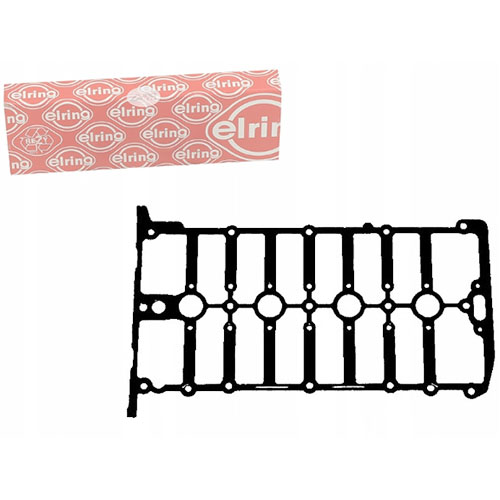

Get Elring Valve Cover Gasket 898.042 in Kenya
A valve cover gasket may not seem like a big deal, but it’s an essential part of your engine that keeps it running smoothly. This small but crucial component prevents oil leaks, protects the internal parts of the engine, and helps maintain proper pressure inside the valve cover.
Whether you’re a car enthusiast, a DIY mechanic, or someone dealing with an oil leak, understanding the valve cover gasket is important. In this guide, we’ll dive deep into its function, types, common problems, replacement process, and maintenance tips.
What is a Valve Cover Gasket? 🏎️🔧
A valve cover gasket is a rubber, silicone, or cork seal placed between the valve cover and the cylinder head of an engine. Its main job is to:
✅ Prevent oil leaks 🛢️
✅ Seal the valve train components 🔩
✅ Protect engine components from dirt and debris 🌫️
The valve cover sits on top of the engine and houses the camshafts, rockers, and other valvetrain components. Since the engine generates high temperatures and pressure, the gasket must be durable enough to withstand heat and engine vibrations.
Why is the Valve Cover Gasket Important? 🔥🚙
Although it’s a relatively small component, a faulty valve cover gasket can lead to significant engine problems, including:
-
Oil leaks that can damage surrounding engine parts
-
Loss of engine lubrication, leading to overheating and friction
-
Contaminated spark plugs, affecting engine performance
-
Burning oil smell, which can indicate potential fire hazards
Regularly checking and replacing a worn-out valve cover gasket helps keep the engine running smoothly and efficiently.
Types of Valve Cover Gaskets 🛠️🔩
Valve cover gaskets come in different materials, each with unique properties:
1️⃣ Rubber Gaskets 🏁
✔️ Most common type in modern vehicles
✔️ Durable and resistant to heat and oil
✔️ Flexible and provides a strong seal
✔️ Easy to install and remove
2️⃣ Cork Gaskets 🏆
✔️ Found in older vehicles and some classic cars
✔️ Can compress well to create a good seal
✔️ Prone to drying out and cracking over time
✔️ Not as long-lasting as rubber or silicone gaskets
3️⃣ Silicone Gaskets 🔥
✔️ High heat resistance, making them ideal for performance cars
✔️ Great flexibility, reducing the chances of leaks
✔️ More expensive than rubber or cork gaskets
4️⃣ Composite Gaskets ⚙️
✔️ Made from multiple materials for enhanced durability
✔️ Found in high-performance and heavy-duty engines
✔️ Provides an excellent seal but can be harder to replace
Symptoms of a Failing Valve Cover Gasket ⚠️🚨
A failing gasket can lead to multiple issues. Here are some signs to watch for:
1️⃣ Oil Leaks 🛢️
-
The most obvious sign of a worn-out gasket is oil leaking from the engine.
-
You may notice oil stains under the car or oil dripping onto the exhaust manifold.
2️⃣ Burning Oil Smell 🔥
-
If the leaking oil touches hot engine parts, it will burn and produce a strong odor.
-
This can also create smoke from under the hood.
3️⃣ Engine Misfire & Rough Idling 🚙💨
-
Leaking oil can seep into the spark plug wells, causing misfires.
-
A misfiring engine may run rough, lose power, or hesitate when accelerating.
4️⃣ Low Oil Levels 📉
-
A slow but continuous oil leak can cause the engine oil level to drop, leading to increased wear on engine components.
5️⃣ Dirty Engine Bay 🏎️
-
Over time, leaked oil collects dust and grime, making the engine dirty and greasy.
Ignoring these signs can lead to severe engine damage and costly repairs.
How to Replace a Valve Cover Gasket 🔧⚙️
Replacing a valve cover gasket is a moderate difficulty job that many DIYers can handle with basic tools.
Tools Needed 🛠️
✔️ New valve cover gasket
✔️ Socket wrench set 🔩
✔️ Torque wrench
✔️ Gasket scraper
✔️ Engine degreaser & cleaning cloth
✔️ RTV silicone (if required)
Step-by-Step Replacement Guide 🔄
1️⃣ Prepare the Engine
-
Let the engine cool down to avoid burns.
-
Disconnect the battery for safety.
2️⃣ Remove the Valve Cover
-
Remove any plastic covers, hoses, or electrical connectors that block access.
-
Use a socket wrench to loosen the bolts securing the valve cover.
-
Carefully lift the valve cover off the engine.
3️⃣ Remove the Old Gasket
-
Peel off the old gasket and scrape off any stuck residue.
-
Clean the sealing surface with a degreaser to ensure a proper seal.
4️⃣ Install the New Gasket
-
Align the new gasket on the valve cover.
-
If required, apply RTV silicone at the corners where leaks are more likely.
5️⃣ Reinstall the Valve Cover
-
Carefully place the valve cover back onto the engine.
-
Tighten the bolts in a crisscross pattern using a torque wrench to prevent uneven sealing.
6️⃣ Final Checks
-
Reconnect any hoses, sensors, or wiring that were removed.
-
Start the engine and check for leaks.
How Often Should You Replace the Valve Cover Gasket? ⏳🔍
Most valve cover gaskets last between 40,000 to 100,000 miles, depending on:
-
Driving conditions (extreme heat/cold can cause faster wear)
-
Engine maintenance (regular oil changes help)
-
Gasket material (rubber gaskets last longer than cork)
If you see signs of oil leakage or a burning smell, inspect the gasket immediately.
Valve Cover Gasket Replacement Cost 💰🚗
-
DIY Replacement Cost: $20 – $80 (for parts)
-
Mechanic Repair Cost: $150 – $400 (including labor)
-
Luxury or Performance Cars: Can cost $500+ due to labor-intensive work
Replacing the gasket early can save you from costly engine repairs in the future.
Tips to Extend the Life of Your Valve Cover Gasket 🏁🛢️
✔️ Regular Oil Changes – Prevents sludge buildup, which can degrade the gasket.
✔️ Avoid Over-Tightening Bolts – This can crush the gasket and cause leaks.
✔️ Use High-Quality Oil – Reduces contamination and extends gasket life.
✔️ Inspect for Leaks Periodically – Catch small issues before they become major.
Final Thoughts 🎯
A valve cover gasket may seem like a minor part, but it plays a critical role in keeping your engine running efficiently. Replacing it at the right time can prevent costly repairs, improve engine performance, and keep your vehicle in top condition.
Follow us on Facebook for more parts.
Reviews
Clear filtersThere are no reviews yet.